

FILE // ASPEN-CARTEL // MANIFESTO
A history of silent interventions.
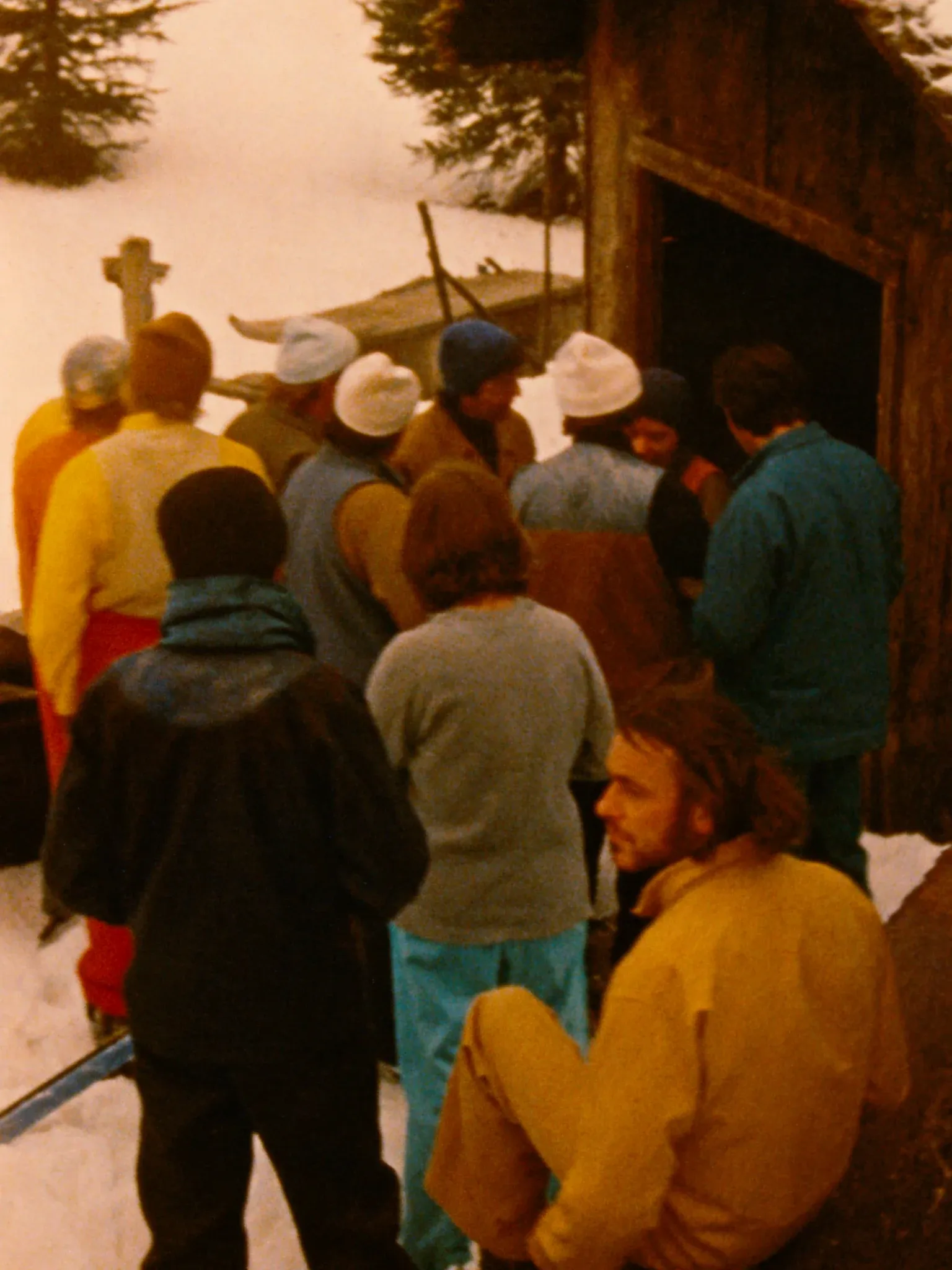 Archive Scan
Aspen Cartel does not follow the traditional lifecycle of a brand. We are an archival project documenting the intersection of utility and absolute isolation.
In the winter of 1973, Aspen was being sold. Not the mountain. The idea of it. Seventy-three of the people who actually ran it, the lift operators, the snowmakers, the patrollers, the one seamstress who repaired everyone's gear, kept a private understanding. They opened the mountain in the dark and closed it after the last guest had gone home to a house they would never be invited into.
 Archive Scan
They made their own equipment because nothing issued in town was built for the work, only for the look of the work. They called it, at first as a joke, a cartel. A syndicate that controlled the one thing it still had. The number seventy-three became the founding count and the year at once. The first object was a coat. The second was a record of who had it.
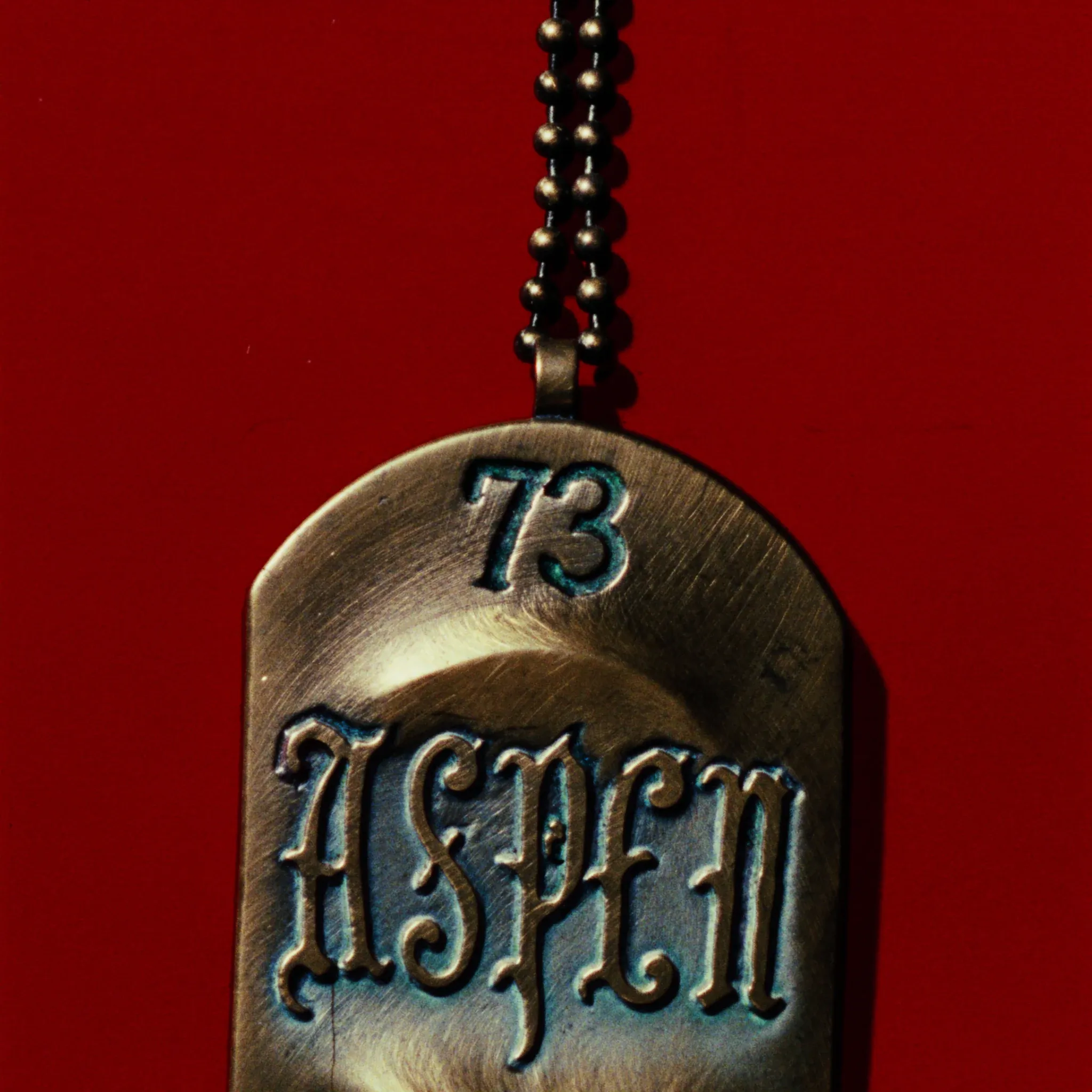 Archive Scan
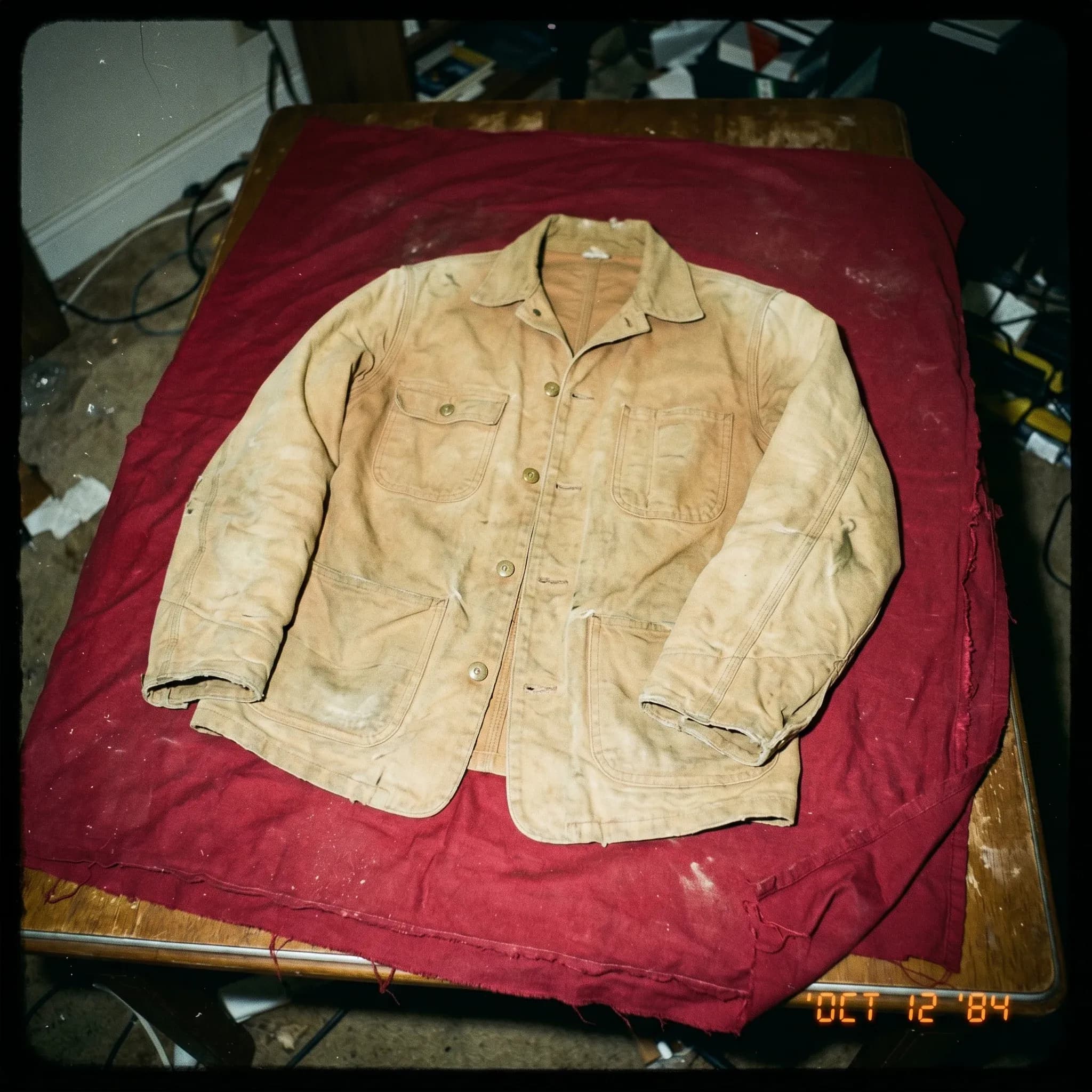 Archive Scan
There was no launch. There will be no anniversary. We only began keeping records.
 Archive Scan
What we document is simple. Objects made for a specific altitude and a specific kind of person, then allowed to disappear. We do not restock the past. A thing that returns was never rare. Everything here has left circulation. That is not a failure of supply. It is the condition of the work.
 Archive Scan
Access is granted only to those who understand this. Seventy-three were extended once, quietly, to people who already understood. There was no application. There was a table, and a decision made at it. If a card did not arrive, take it as instruction.
 Archive Scan
 Archive Scan
We keep no schedule. We do not write often. When a record leaves circulation, those who were paying attention already knew. The archive is a record of what was. It is not issued outside the record. It is kept as evidence.
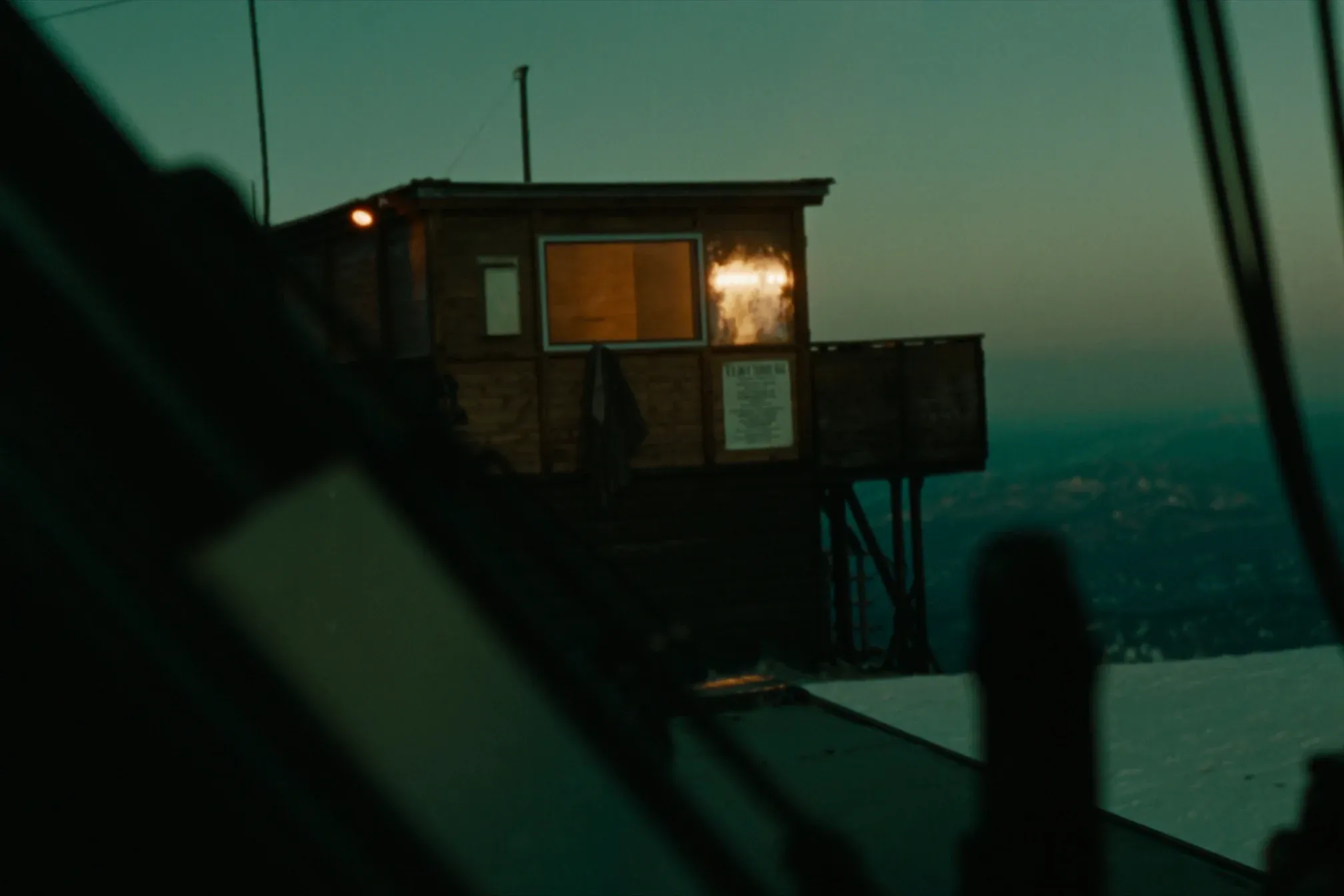 Archive Scan
The Eras
Recovered from the first ledger.
- MCMLXXIII
- Founding. Seventy-three. The first coat, the first ledger.
- MCMLXXIV to MCMLXXIX
- The workshop. Night issue. Serials begin. Tag 001 outstanding.
- MCMLXXX to MCMLXXXIX
- The glaze. The Cartel goes underground. The red ground becomes the record format.
- MCMXC to MCMXCIX
- The dispersal. Members scatter. Runs destroyed rather than sold. Records sealed.
- MM to MMIX
- The quiet. Almost no issue. The serials and dates are kept.
- MMX to MMXXIII
- The Silence. No issue, no contact.
- MMXXVI
- The opening. The archive is documented publicly for the first time, on the condition that issuance remains with the List.
 Archive Scan
The Custos
ASPEN CARTEL // AN ARCHIVAL PROJECT // 39.1911 N 106.8175 W // MMXXVI